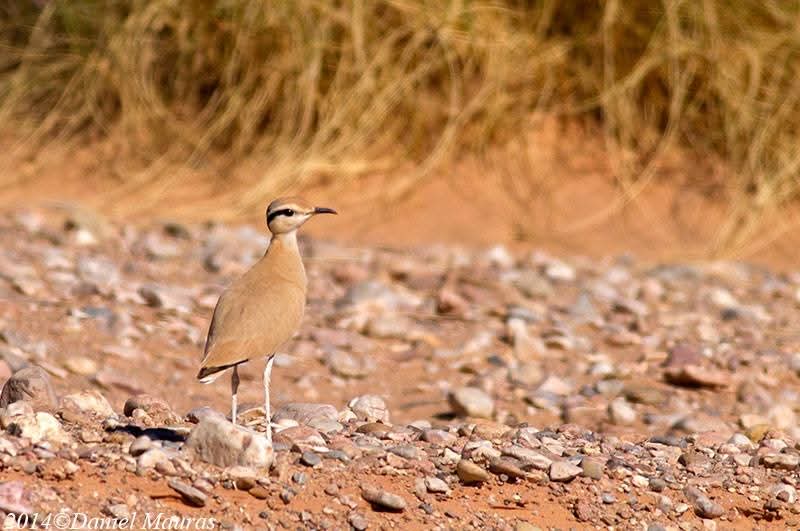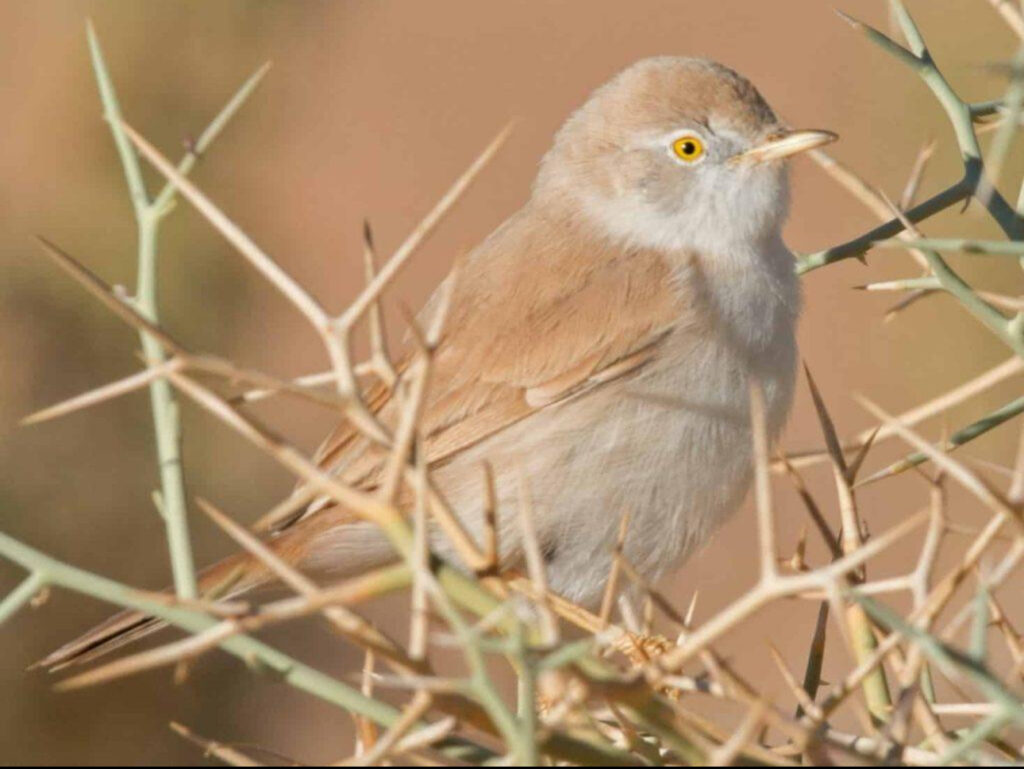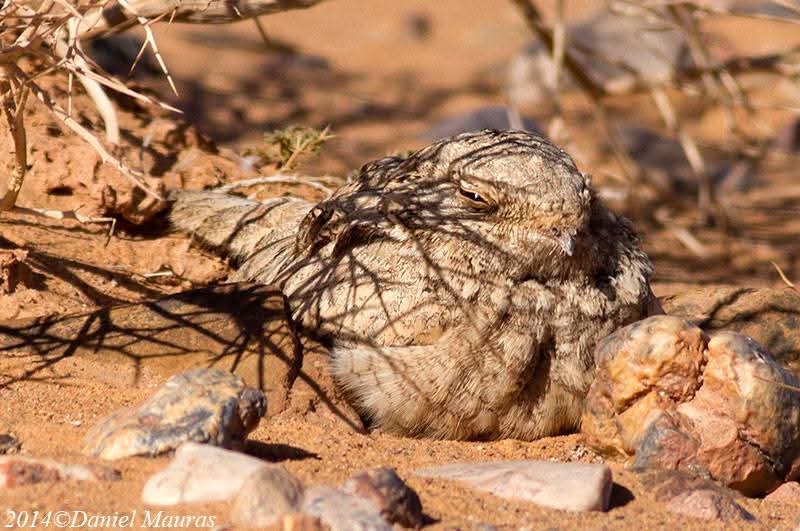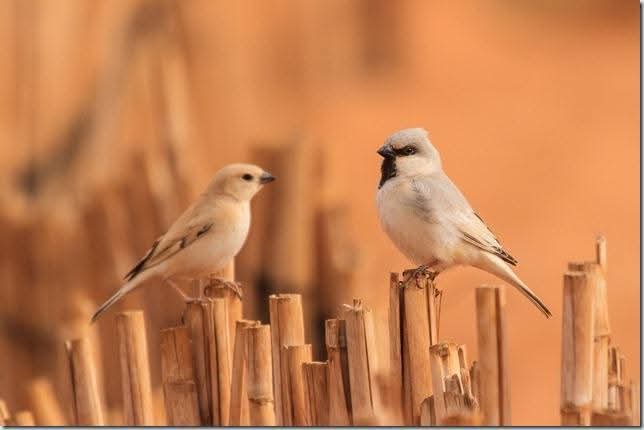
The Desert Sparrow (Passer simplex) is one of the quiet gems of the Sahara, a small and gentle bird perfectly shaped by the desert’s calm, warm light, and endless dunes. During birdwatching tours in Merzouga, it is often one of the first birds visitors notice. It appears near old mud houses, around wells, and sometimes right at our feet, as if welcoming us to its desert home.
Scientifically, the Desert Sparrow belongs to the Passeridae family and is closely related to Zarudny’s Sparrow, a similar species living farther east in Central Asia. In the desert ecosystem, this bird plays an important role by controlling insects, scattering seeds, and bringing a gentle sense of life to even the quietest corners of the Sahara.
Taxonomy and Classification
- Kingdom: Animalia
- Phylum: Chordata
- Class: Aves
- Order: Passeriformes
- Family: Passeridae
- Genus: Passer
- Species: Passer simplex
Physical Description
The Desert Sparrow is one of the smallest birds living in the desert, with a simple yet perfectly adapted appearance. Its sandy-colored plumage gives it excellent camouflage among dunes, often making it difficult to spot even when it is close by.
The male is easily recognized by a distinct black patch under the beak, which stands out clearly in sunlight. Its head is pale, and the wings often show subtle white markings that become more visible in flight. The female is more understated, with softer and more uniform sandy tones that help her blend into the ground and sand.
Juveniles appear even softer in texture, with slightly fluffier feathers and faint markings. They are usually seen close to adults, showing calm and curious behavior.
Subspecies
P. s. simplex
This is the classic subspecies of the Desert Sparrow, found across the central and eastern Sahara. Its range extends through countries such as Algeria, Libya, Egypt, and parts of Sudan.
P. s. saharae
This subspecies is found in the western Sahara, including Morocco, Western Sahara, Mauritania, and parts of southern Algeria. It is the form most commonly observed during birdwatching tours in areas like Merzouga.
Distribution and Habitat
The Desert Sparrow is a true desert bird, found across North Africa in very dry and open landscapes. Its range extends from Morocco and Western Sahara to Algeria, Libya, Egypt, Mauritania, and parts of Sudan.
It prefers simple habitats such as sand dunes, open scrub, and especially areas near oases. It is also commonly seen around desert trees, old mud houses, wells, and traditional villages, where it finds shelter from heat and predators.
Behavior and Ecology
The Desert Sparrow has a calm and simple lifestyle, closely connected to both people and the desert environment of the Sahara. It is often found near small human settlements, especially traditional mud houses and oases, where it can find shelter and food.
Its diet consists mainly of seeds, small insects, and available desert plants or scraps. Around villages, it is often seen foraging on the ground near wells or shaded areas.
The breeding season typically begins in spring when temperatures become milder. Nests are usually built in small cavities, cracks in old walls, or tamarisk trees, where the pair raises its chicks quietly away from disturbance.
Vocalization
The Desert Sparrow has a soft and friendly voice, usually expressed with a simple “churp” that carries gently across the dunes. The male tends to call more often, especially when perched on a small bush or a low roof near a village.
These calls help the bird keep in touch with its partner, warn lightly when a stranger approaches, and mark its small territory during the breeding season.
Cultural Significance
The Desert Sparrow holds symbolic value among some desert communities such as the Amazigh and Tuareg peoples. Over time, it has come to be seen as a sign of peace and good fortune.
In traditional mud-brick architecture, small openings were often left intentionally in walls so the bird could nest safely. This reflects how desert people viewed it as a welcomed guest and a symbol of blessing.
Conclusion
The Desert Sparrow may be a small and unassuming bird, but it carries the spirit of the Sahara within its life. Its soft call and sudden appearances during birdwatching tours reflect the quiet magic of desert ecosystems.
Protecting the Desert Sparrow means protecting traditional villages, healthy oases, and open desert spaces that allow this special bird to continue living in harmony with the Sahara.
Want to See the Desert Sparrow in Merzouga?
Contact Sahara Birding Merzouga and join a guided birdwatching tour with Lahcen, a local guide who knows the hidden birding spots of the Sahara.
Contact Us